Easy Korean Bibimbap
Highlighted under: Flavors Around the World
Experience the vibrant and delicious flavors of this Easy Korean Bibimbap recipe. This colorful bowl features a delightful mix of rice, sautéed vegetables, and a perfectly fried egg, all topped with spicy gochujang sauce. Perfect for a healthy weeknight dinner or a special gathering, this dish is as nutritious as it is visually stunning.
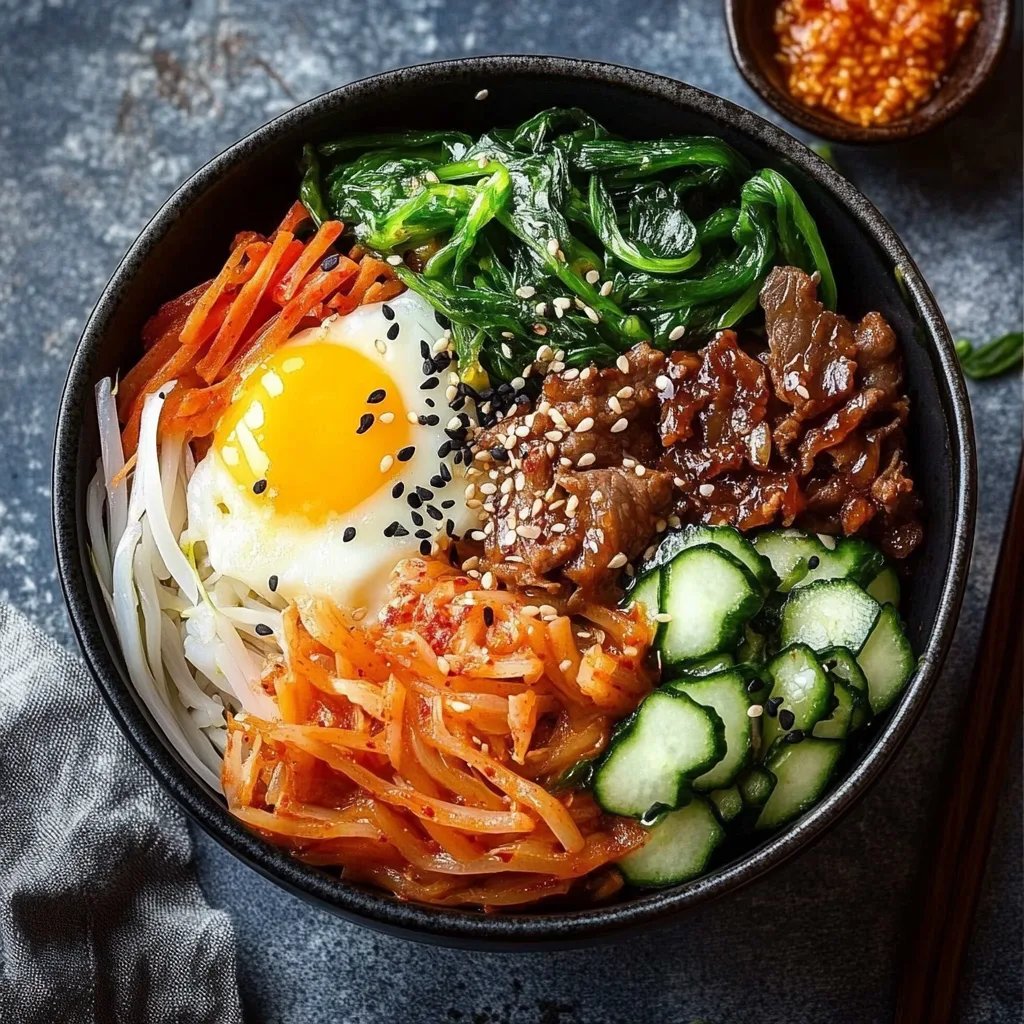
This dish is not only a feast for the eyes but also packs a nutritional punch. The combination of fresh vegetables and protein creates a balanced meal that's full of flavor.
Understanding Bibimbap
Bibimbap is a traditional Korean dish that means 'mixed rice'. It offers a harmonious blend of flavors and textures, making it a well-balanced meal. The base of this dish typically consists of rice, topped with a variety of sautéed or blanched vegetables. Each ingredient is chosen not just for its flavor, but for its nutritional value, providing a healthy dining option for any occasion.
In addition to the vegetables, Bibimbap often features a fried egg on top, which adds creaminess and richness to the dish. The crowning glory is the gochujang sauce, a fermented chili paste that brings a delightful kick to every bite. The combination of these ingredients is what makes Bibimbap not only visually appealing but also extremely delicious.
Variations You Can Try
One of the beautiful aspects of Bibimbap is its adaptability. While the classic version includes a specific set of ingredients, feel free to mix and match based on what you have available. You can easily add proteins like tofu, beef, or chicken for extra heartiness. Don’t hesitate to experiment with different vegetables, such as mushrooms, bell peppers, or even sweet potatoes to add unique flavors and nutrients.
For those looking to make a vegetarian or vegan version, simply skip the egg and use plant-based proteins. You can also experiment with various sauces, including sesame sauce or spicy kimchi, to enhance the flavor profile to your liking. The essence of Bibimbap lies in its flexibility, allowing each cook to put their personal touch on this Korean classic.
Serving and Enjoying Bibimbap
When serving Bibimbap, it’s essential to present it beautifully. Arrange your ingredients in a way that highlights the vibrant colors of the vegetables and the golden yolk of the egg. For an authentic touch, serve each bowl with a side of kimchi or pickled vegetables. This not only adds great flavor but also complements the dish’s nutritional profile.
Encourage your guests to mix the ingredients right before eating. This step is crucial as it blends all the flavors together, showcasing the dish’s core identity. Provide extra gochujang on the side for those who enjoy a little extra spice, ensuring that everyone can tailor their meal to their taste preferences. Bibimbap is not just a dish; it’s an experience, and sharing it with loved ones makes it all the more special.
Ingredients
For the Bibimbap
- 2 cups cooked rice
- 1 cup spinach, sautéed
- 1 cup bean sprouts, blanched
- 1 small zucchini, julienned and sautéed
- 1 carrot, julienned and sautéed
- 4 eggs, fried
- Gochujang sauce for topping
- Sesame oil
- Sesame seeds for garnish
Feel free to mix in your favorite vegetables!
Instructions
Prepare the Vegetables
Sauté the spinach, zucchini, and carrot in a little sesame oil until tender. Blanch the bean sprouts in boiling water for a minute.
Cook the Eggs
Fry the eggs sunny-side up in a pan over medium heat until the whites are set and yolks are still runny.
Assemble the Bibimbap
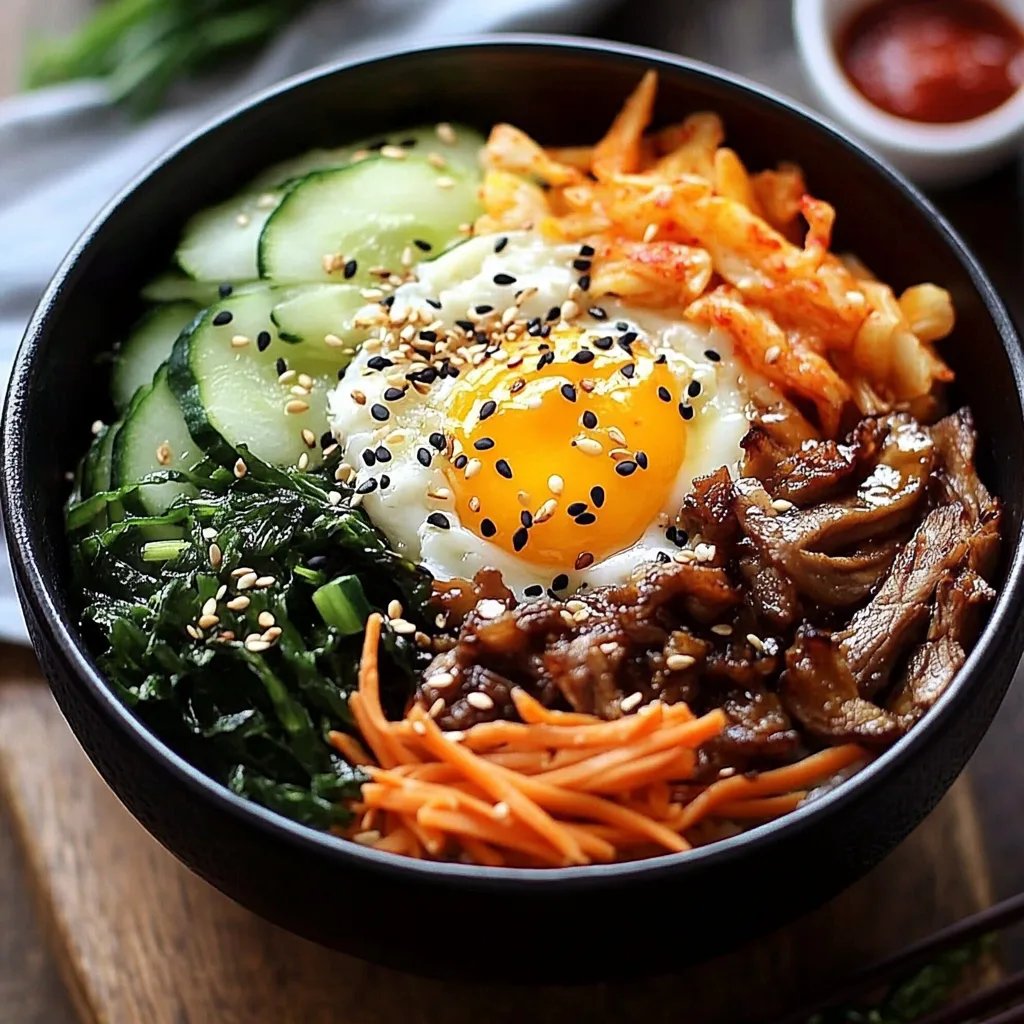
In a bowl, place a serving of rice and arrange the sautéed vegetables on top. Add the fried egg and drizzle with gochujang sauce. Sprinkle with sesame seeds.
Mix everything together before eating for the best flavor!
Pro Tips
- Use leftover vegetables to make this dish even easier to prepare!
Tips for Preparing Bibimbap
To save time on busy weeknights, consider batch-cooking some of the ingredients like sautéed vegetables and rice in advance. This way, you can simply assemble the Bibimbap when you're ready to eat, making it a quick and easy meal option. Additionally, having a variety of vegetables prepped will make it easy to create different versions of the dish for variety throughout the week.
Don’t forget about the importance of rice in Bibimbap. Using short-grain rice is traditional, as it has a stickier texture that helps hold the ingredients together. If you prefer a healthier touch, try substituting half of the white rice with brown rice or cauliflower rice for a delightful twist that’s lower in carbs.
Storing Leftover Bibimbap
If you find yourself with leftovers, Bibimbap can be stored in an airtight container in the refrigerator for up to 2-3 days. When reheating, be sure to warm the rice and vegetables gently in the microwave or on the stovetop to preserve their textures. When adding a fried egg on top, cook it fresh to maintain its creaminess.
While Bibimbap can be enjoyable as leftovers, note that the vegetables may lose their crispness. You can refresh the dish by adding some fresh greens or raw vegetables just before serving, which can help bring back some of the original texture and flavor. With a little creativity, leftover Bibimbap can still be an exciting meal.
Questions About Recipes
→ Can I make this dish vegetarian?
Absolutely! Simply skip the fried egg or use a plant-based alternative.
Easy Korean Bibimbap
Created by: The Kitchenwithethan Team
Recipe Type: Flavors Around the World
Skill Level: Easy
Final Quantity: 4 servings
What You'll Need
For the Bibimbap
- 2 cups cooked rice
- 1 cup spinach, sautéed
- 1 cup bean sprouts, blanched
- 1 small zucchini, julienned and sautéed
- 1 carrot, julienned and sautéed
- 4 eggs, fried
- Gochujang sauce for topping
- Sesame oil
- Sesame seeds for garnish
How-To Steps
Sauté the spinach, zucchini, and carrot in a little sesame oil until tender. Blanch the bean sprouts in boiling water for a minute.
Fry the eggs sunny-side up in a pan over medium heat until the whites are set and yolks are still runny.
In a bowl, place a serving of rice and arrange the sautéed vegetables on top. Add the fried egg and drizzle with gochujang sauce. Sprinkle with sesame seeds.
Extra Tips
- Use leftover vegetables to make this dish even easier to prepare!
Nutritional Breakdown (Per Serving)
- Calories: 550
- Protein: 20g
- Carbohydrates: 75g
- Fat: 20g